

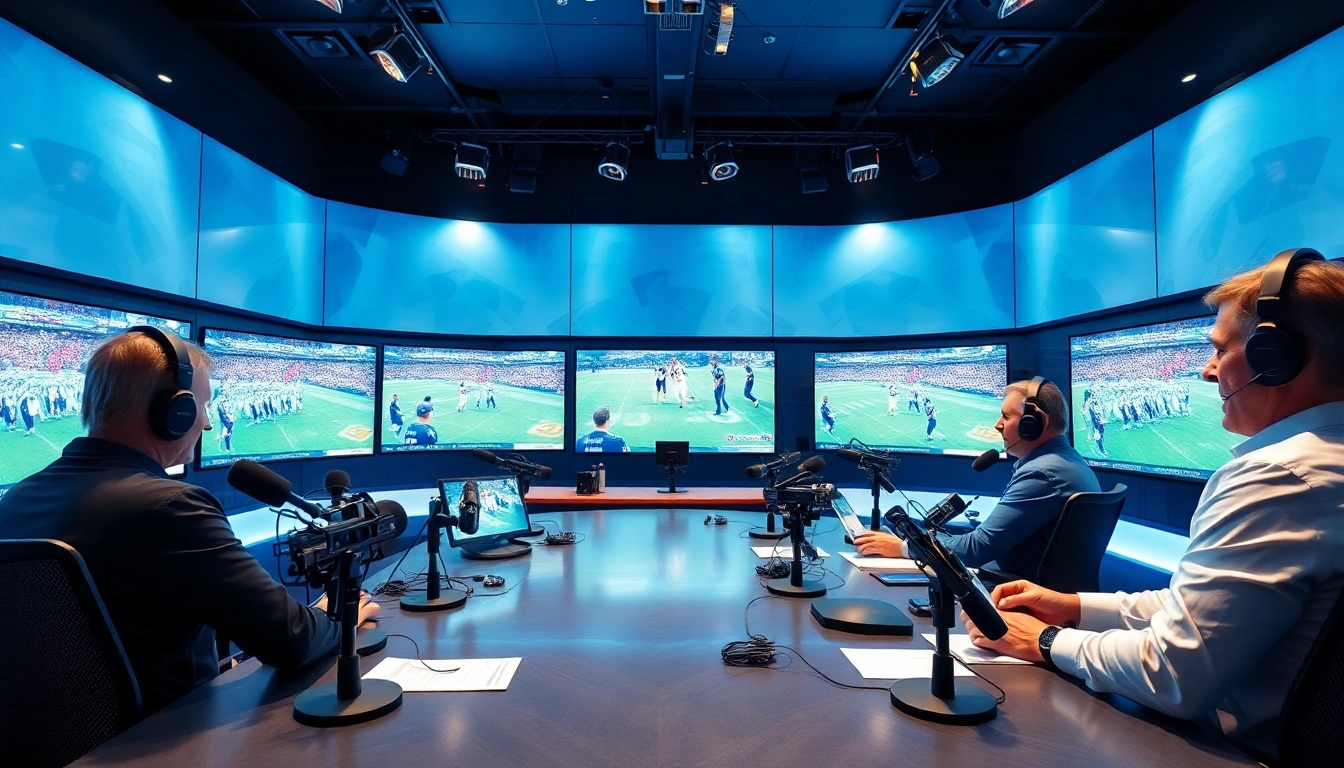
Understanding Sports Broadcasting
Definition and Impact of Sports Broadcasting
Sports Broadcasting refers to the dissemination of live or recorded sports events via television, radio, or online platforms. It serves as a bridge connecting fans with their favorite sports, teams, and players. The significance of sports broadcasting cannot be overstated; it plays a crucial role in enhancing viewer engagement, fostering community among fans, and contributing to the economic viability of sporting events. Furthermore, it empowers accessibility, allowing audiences worldwide to experience live events regardless of geographical constraints. By promoting real-time interaction through commentary, analysis, and highlights, Sports Broadcasting becomes an integral part of the sports ecosystem.
The Evolution of Sports Broadcasting
The journey of sports broadcasting has been remarkable, evolving from simple radio broadcasts to complex multi-media experiences. The early days primarily consisted of play-by-play commentary on the radio, catering to an audience eager for updates. As technology advanced, television broadcasts emerged in the mid-20th century, bringing visual excitement to fans and expanding the reach of sports considerably.
In recent decades, the rise of the internet revolutionized sports broadcasting. Streaming services and social media platforms have redefined how audiences consume sports content. Today, fans can stream games live on their devices, access highlights almost instantaneously, and engage with their favorite sports through interactive platforms.
Key Terms and Concepts in Sports Broadcasting
Understanding sports broadcasting involves familiarizing oneself with essential terminology. Some key terms include:
- Play-by-Play: Real-time narration of a game or event, often accompanied by color commentary.
- Color Commentary: Analysis provided by experts offering insights that enhance the audience’s understanding of the game.
- Live Streaming: Broadcasting events in real-time over the internet.
- On-Demand Content: Pre-recorded sports content that fans can access anytime.
The Role of Technology in Sports Broadcasting
Innovative Tools and Equipment in Sports Broadcasting
Technology plays a vital role in shaping the landscape of sports broadcasting. Innovations such as high-definition cameras, drones, and augmented reality are transforming how viewers experience sports. High-definition cameras provide crystal-clear images, enhancing viewer engagement, while drones offer unique aerial perspectives, adding a new dimension to broadcast coverage.
Moreover, equipment like instant replay systems allows fans to relive critical moments, thereby amplifying the emotional connection associated with live events. Advanced graphics and visualization technology help convey complex statistics and analyses, further enriching the viewer’s experience.
Live Streaming vs. Traditional Broadcasting
The debate between live streaming and traditional broadcasting is a hot topic in the sports industry. Traditional broadcasting can reach large audiences with scheduled programming, while live streaming offers unparalleled flexibility and accessibility. Viewers no longer need to miss games due to scheduling conflicts, as they can watch on their own terms via subscription services or social media platforms.
This shift has led broadcasters to adapt, often integrating live chat features, social media integration, and interactive elements to engage viewers in real-time. As preferences shift, traditional networks are incorporating streaming options to cater to younger, tech-savvy audiences which also enhances their outreach.
The Importance of High-Quality Production
A well-produced broadcast is essential for captivating an audience. Factors such as camera angles, sound quality, and editing significantly impact how sports content is received. High-quality production values enhance viewer enjoyment, while poor execution can detract from the excitement and engagement of the event.
Establishing best practices in production involves investing in skilled professionals and state-of-the-art equipment, ensuring that broadcasts are not only precise but also visually and audibly fulfilling. Elements such as commentary expertise and pre-and-post-game analyses contribute to a richer viewer experience, fostering loyalty and audience retention.
Engaging Your Audience in Sports Broadcasting
Strategies for Building a Fan Base
Building a loyal fan base is crucial for success in sports broadcasting. Engaging storytelling, appealing visuals, and interactive features are effective methods to captivate audiences. Consistent branding across platforms helps establish a recognizable identity, increasing your outreach. Regularly updating fans with content such as interviews, behind-the-scenes footage, and updates on player stats can keep audiences engaged.
Moreover, creating community initiatives, such as fan polls or contests, fosters interaction and investment in the broadcasting brand. Offering exclusive content or access can further enhance viewer loyalty and keep them coming back.
Utilizing Social Media for Sports Broadcasting
Social media platforms have become pivotal in sports broadcasting. They offer a space where fans can interact with broadcasters, players, and teams directly. Engaging through platforms such as Twitter, Instagram, and Facebook allows broadcasters to share instant updates, highlights, and promotional content. Utilizing these channels strategically can enhance audience connection and provide real-time feedback.
For optimal engagement, broadcasters can leverage social media for live Q&A sessions, fan challenges, and exclusive content previews. This not only increases visibility but further strengthens the bond between fans and their favorite sports.
Catering to Different Demographics
Recognizing the diverse demographics of sports audiences is essential for successful broadcast strategies. Age, culture, and preferences vary widely, which necessitates a tailored approach. Broadcasters should analyze audience data to segment viewership and deliver content that resonates with target groups.
Younger audiences may prefer streaming and social media interaction, while older demographics might favor traditional broadcasting. Providing content in various formats, such as articles, podcasts, and videos, ensures broader appeal, catering to the specific wants and needs of different viewer segments.
Challenges in Sports Broadcasting
Common Obstacles and Solutions
Sports broadcasting faces a myriad of challenges, including intense competition, rising costs, and viewer retention issues. As more platforms enter the market, differentiation becomes paramount. Developing a distinct brand identity and focusing on unique offerings can help stand out amidst the competition.
Implementation of analytics tools can provide insights into viewer preferences, helping broadcasters adapt their content and approach. Regularly soliciting feedback also aids in anticipating audience needs and preemptively addressing potential obstacles.
Legal and Regulatory Issues in Sports Broadcasting
Compliance with regulations is critical for sports broadcasters. Issues can arise concerning rights management, content licensing, and broadcasting regulations that vary by jurisdiction. Understanding these legalities is essential to avoid costly legal battles or operational interruptions.
Broadcasters must maintain thorough records and agreements that keep content ownership, usage rights, and regulatory obligations in check. Engaging legal experts in the field can safeguard against potential issues and streamline operational frameworks.
Maintaining Audience Engagement During Downtime
Downtimes, such as off-seasons or breaks in play, can challenge audience engagement. It’s vital to keep fans interested during these periods by offering supplementary content. This may include athlete interviews, training sessions, or highlight reels from past games.
Creating engaging content around sports culture, player stories, or community involvement keeps sports broadcasting relevant even in the absence of live events. Interactive opportunities like fan contests or promotional activities can further boost viewer interest.
Future Trends in Sports Broadcasting
Predicted Advances in Technology
As technology continues to advance, the future of sports broadcasting will likely include immersive experiences through virtual and augmented reality. Fans may enjoy the sensation of being physically present at events from the comfort of their homes. This could reshape live interactions, making them more dynamic and personal.
Artificial intelligence is also set to play a transformative role in enhancing viewer experiences through personalized content delivery and automated commentary, further innovating how sports are broadcasted.
The Role of AI in Sports Broadcasting
Artificial intelligence holds immense potential in sports broadcasting, influencing everything from game analysis to viewer interaction. Machine learning algorithms can analyze games more effectively, providing insightful statistics and real-time updates that enhance commentary.
Additionally, AI-powered chatbots can facilitate instant fan engagement, answering questions, and providing relevant updates, thus improving viewer satisfaction and enhancing overall experience.
How Viewer Preferences are Shaping Sports Broadcasting
Understanding viewer preferences is paramount in shaping strategies in sports broadcasting. As viewers demand increased interactivity, broadcasters must adapt by incorporating features such as live polling and fan voting on broadcast content. These elements turn passive viewers into active participants, fostering a deeper emotional investment in the broadcasting experience.
Ultimately, enhancing viewer experiences through data-driven insights will prove essential in meeting evolving preferences and expectations, ensuring sustained engagement.
Frequently Asked Questions
What is sports broadcasting?
Sports broadcasting is the transmission of live or recorded sports events through television, radio, or online platforms, serving to connect fans worldwide with their favorite sports and teams.
How has technology changed sports broadcasting?
Technology has revolutionized sports broadcasting by enabling high-definition visuals, live streaming, and the use of innovative tools like drones and augmented reality for enhanced viewer experiences.
What challenges do sports broadcasters face?
Sports broadcasters encounter challenges such as competition, legal issues, rising production costs, and maintaining audience engagement during downtimes.
How do social media platforms influence sports broadcasting?
Social media platforms facilitate direct interaction between broadcasters and audiences, enhance real-time engagement, and allow for instant sharing of content, enriching the overall broadcasting experience.
What trends are shaping the future of sports broadcasting?
Advancements in technology, the role of artificial intelligence, and shifting viewer preferences towards interactivity are significantly shaping the future landscape of sports broadcasting.